
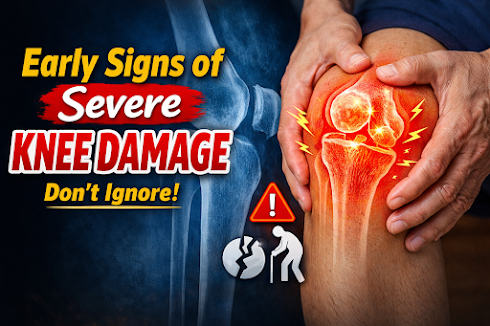
Knee pain is one of the most common joint problems affecting people of all ages. While occasional discomfort may result from minor strain or overuse, persistent or worsening knee symptoms can indicate severe knee damage that requires medical attention. According to the World Health Organization, joint disorders such as osteoarthritis are among the leading causes of disability worldwide.
Why Early Detection of Knee Damage Is Important
The knee joint carries most of the body’s weight and plays a crucial role in everyday activities such as walking, climbing stairs, and sitting. When the cartilage, ligaments, or bones in the knee begin to deteriorate, ignoring the symptoms can lead to:
- Chronic pain
- Reduced mobility
- Joint deformity
- Need for surgical treatment such as knee replacement
Early diagnosis allows doctors to recommend medications, physiotherapy, lifestyle changes, or minimally invasive procedures before the condition becomes severe.
Early Symptoms of Severe Knee Damage
1. Persistent Knee Pain
One of the most common warning signs is continuous knee pain that does not improve with rest. The pain may:
- Increase while walking or climbing stairs
- Feel worse in the morning or after long periods of sitting
- Gradually become more intense over time
Persistent pain often indicates cartilage wear, ligament injury, or joint inflammation.
2. Swelling Around the Knee Joint
Swelling occurs when fluid builds up inside or around the knee joint. This may be caused by:
- Ligament tears
- Meniscus injuries
- Arthritis
If swelling lasts more than a few days or keeps returning, it should not be ignored.
3. Stiffness and Difficulty Bending the Knee
Stiffness is an early symptom of joint degeneration. You may notice:
- Difficulty bending or straightening the knee
- Reduced flexibility during movement
- Tightness after waking up
This usually indicates cartilage damage or inflammation inside the joint.
4. Grinding or Popping Sounds (Crepitus)
A grinding or crackling sound while moving the knee can occur when the cartilage becomes thin or damaged. This symptom may be painless initially but can worsen as the condition progresses.
5. Weakness or Instability in the Knee
If your knee feels like it might “give way” while walking or standing, it could be due to:
- Ligament injuries
- Muscle weakness
- Joint instability
This symptom increases the risk of falls and further injury.
6. Pain While Climbing Stairs
Pain that worsens during stair climbing or getting up from a chair is often an early sign of joint wear and tear, especially in people with developing arthritis.
7. Reduced Range of Motion
Severe knee damage may gradually limit how far you can bend or extend your knee. Over time, this can affect daily activities and reduce overall mobility.
Common Causes of Severe Knee Damage
Several conditions can lead to progressive knee joint damage:
- Osteoarthritis (cartilage wear and tear)
- Rheumatoid arthritis (autoimmune joint inflammation)
- Sports injuries (ACL or meniscus tears)
- Fractures around the knee joint
- Obesity-related joint stress
- Aging-related degeneration