
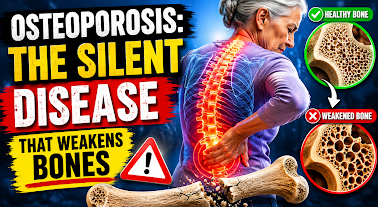
Osteoporosis is often called a “silent disease” because it develops slowly and usually shows no symptoms until a bone breaks. Many people don’t realize their bones are becoming weak and fragile until a minor fall or even a simple movement causes a fracture.
Healthy bones are strong and dense. In osteoporosis, bones lose density and become porous, making them more likely to break. The condition commonly affects the hips, spine, and wrists.
Why Osteoporosis Happens
As we age, the body naturally loses bone mass. But certain factors can speed up bone loss and increase the risk of osteoporosis.
Common causes include:
- Aging
- Calcium and Vitamin D deficiency
- Hormonal changes, especially after menopause
- Lack of physical activity
- Smoking and excessive alcohol intake
- Long-term use of certain medications
- Family history of osteoporosis
Women above 40, especially after menopause, are at higher risk, but men can also develop osteoporosis.
Early Signs Most People Ignore
Osteoporosis usually has no obvious symptoms in the beginning. However, some warning signs may include:
- Back pain
- Loss of height over time
- Stooped posture
- Weak grip strength
- Bones breaking easily after minor falls
Many people assume these changes are a normal part of aging, but they may indicate weakening bones.
Why Osteoporosis Is Dangerous
Weak bones can fracture easily, even during everyday activities like bending, lifting, or walking. Hip and spine fractures can seriously affect mobility, independence, and overall quality of life.
Recovery after fractures may also take longer in older adults, increasing the risk of complications.
Who Is at Higher Risk?
You may have a higher chance of developing osteoporosis if you:
- Are above 50 years old
- Have low body weight
- Spend little time in sunlight
- Do not exercise regularly
- Have poor nutrition
- Smoke or consume alcohol frequently
- Have a family history of bone disease
How to Keep Your Bones Strong
The good news is that osteoporosis can often be prevented or managed with healthy lifestyle changes.
Eat Bone-Healthy Foods
Include:
- Milk and dairy products
- Green leafy vegetables
- Nuts and seeds
- Eggs and fish
- Calcium and Vitamin D-rich foods
Stay Physically Active
Weight-bearing exercises help strengthen bones and muscles.
Activities like:
- Walking
- Climbing stairs
- Light strength training
- Yoga
can improve bone health and balance.
Get Enough Sunlight
Vitamin D helps the body absorb calcium properly. Spending some time in morning sunlight can support stronger bones.
Avoid Smoking and Excess Alcohol
Smoking and heavy alcohol consumption can weaken bones over time and increase fracture risk.
Don’t Ignore Bone Health Checkups
Bone density tests can help detect osteoporosis early, even before symptoms appear. Early diagnosis allows proper treatment and lifestyle changes to prevent serious fractures later.