
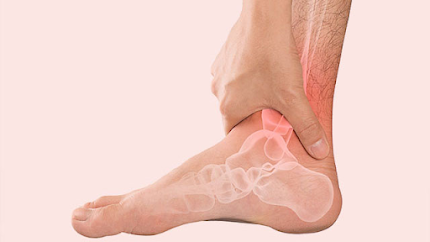
Strong bones are the silent support system of your body. They help you move, protect vital organs, and maintain posture. Yet, bone weakness often develops quietly, showing warning signs only when damage has already begun. Understanding these early signals can help prevent fractures, disability, and long-term complications.
Why Bone Strength Matters
Bones are living tissues that constantly break down and rebuild. As we age—or due to poor nutrition, inactivity, or medical conditions—bone loss can outpace bone formation. Weak bones increase the risk of fractures, delayed healing, and loss of independence, especially in older adults.
Warning Signs of Weak Bones You Shouldn’t Ignore
1. Frequent Bone or Joint Pain
Persistent pain in the hips, knees, back, or wrists may indicate reduced bone density. This pain is often mistaken for routine body aches but can signal underlying bone weakness.
2. Fractures From Minor Falls or Injuries
Breaking a bone after a small fall or mild impact is a major red flag. Healthy bones are strong enough to withstand everyday stresses.
3. Loss of Height or Stooped Posture
Gradual loss of height or a hunched back may result from tiny fractures in the spine. These changes often develop slowly and go unnoticed.
4. Weak Grip Strength
Difficulty opening jars or holding objects firmly can be linked to reduced bone and muscle strength, especially in the hands and wrists.
5. Slow Healing After a Fracture
If fractures take longer than usual to heal, it may indicate poor bone quality or low mineral content.
6. Back Pain Without Injury
Unexplained or recurring back pain can be caused by small spinal fractures due to weakened vertebrae.
Who Is at Higher Risk of Bone Weakness?
- Adults over the age of 40
- Postmenopausal women
- People with vitamin D or calcium deficiency
- Individuals with a sedentary lifestyle
- Smokers and excessive alcohol consumers
- Patients with thyroid disorders or long-term steroid use
Common Conditions That Affect Bone Strength
Osteoporosis
A condition where bones become porous and fragile, increasing fracture risk.
Osteopenia
Lower-than-normal bone density that can progress to osteoporosis if untreated.
Vitamin D Deficiency
Reduces calcium absorption, weakening bones over time.
How to Keep Your Bones Strong
1. Eat a Bone-Healthy Diet
Include calcium-rich foods like milk, curd, cheese, green leafy vegetables, almonds, and sesame seeds.
2. Maintain Adequate Vitamin D Levels
Regular sunlight exposure and supplements (if prescribed) help strengthen bones.
3. Exercise Regularly
Weight-bearing exercises such as walking, stair climbing, and light strength training improve bone density.
4. Avoid Smoking and Excess Alcohol
Both interfere with bone formation and increase fracture risk.
5. Get a Bone Density Test
A DEXA scan helps detect bone loss early and guides timely treatment.